Homicide investigation launched in Hamilton

Source: New Zealand Police

Attribute to Detective Inspector Matt Cranshaw – Waikato Field Crime Manager

A homicide investigation has been launched after the death of a 30 year old woman in Hamilton City this morning.

The woman died after a vehicle drove into the power pole she was standing next to on the corner of Ohaupo Road and Kahikatea Drive. It was initially reported that two vehicles were involved, however this is not the case.

Enquiries are being conducted to ascertain the circumstances surrounding these events.

Investigators and specialists remain at this location with diversions in place. The road is expected to be closed for some time.

Police extend their thoughts to whānau and friends of the deceased at this difficult time.

As part of our enquiries into what happened, we are asking anyone with information to get in touch.

Please contact us at 105.police.govt.nz, clicking “Update Report” or by calling 105.

Please use the reference number 250515/6763.

Information can also be provided anonymously to Crime Stoppers on 0800 555 111.

ENDS

Issued by Police Media Team

Police appealing for information after house fire, Cobden

Source: New Zealand Police

Police investigating a house fire in Cobden are appealing for information from the public.

At around 12.10am on Wednesday 14 May, Police were notified of a house fire on Bright Street.

A scene guard was put in place overnight and Police conducted a scene examination with a Fire and Emergency New Zealand fire investigator today.

The house fire is being treated as suspicious at this stage.

Police would like to hear from anyone who may have CCTV or dashcam footage in the surrounding Bright Street area from 11pm Tuesday to 12am Wednesday.

If you have any information that could assist Police’s investigation, please contact us online at 105.police.govt.nz, clicking “Update Report” or by calling 105.

Please use the reference number 250515/5998.

Information can also be provided through Crime Stoppers through 0800 555 111.

ENDS

Issued by Police Media Centre

Crown settles Treaty claim with Ngāti Ranginui

Source: NZ Music Month takes to the streets

The Crown has settled a 17-year negotiation process with iwi of Tauranga as the Ngā Hapū o Ngāti Ranginui Claims Settlement Bill passes its third reading in Parliament today, Treaty Negotiations Minister Paul Goldsmith says.

“This has been a long time coming and I thank the Ngā Hapū o Ngāti Ranginui Settlement Trust and the negotiating team for their enduring efforts. 

“While no settlement can fully compensate for the Crown’s injustices towards Ngāti Ranginui, I sincerely hope this redress package will support Ngāti Ranginui to realise their economic and cultural aspirations for generations to come.”

The redress includes an agreed historical account, crown acknowledgements of its historical breaches of the Treaty of Waitangi and a Crown apology.

Key elements of the redress include:

  • Financial and commercial redress of $38 million
  • The return of 15 sites of cultural significance
  • Two properties of cultural significance vested jointly with other iwi
  • Relationship redress with key Crown agencies

“In this settlement, the Crown has acknowledged its breaches of te Tiriti o Waitangi, including its responsibility for war and raupatu in Tauranga in the 1860s, the purchase of Te Puna-Katikati blocks soon after, the operation and impact of the native land laws, and the compulsory acquisition of land under later Māori land legislation that left Ngāti Ranginui without sufficient land for their present and future needs,” Mr Goldsmith says.

“I want to acknowledge the people of Ngāti Ranginui who have travelled to Parliament today to witness this auspicious occasion and those who watched the passing of this Bill online from Tauranga.” 

Ngāti Ranginui is an iwi based in the Tauranga region with a population of approximately 15,000 people. Their area of interest extends from Ngakuriawharei, north of Tauranga, inland to the summit of Mount Te Aroha, extending south-east along the Kaimai Range to Puwhenua and reaching south to the Mangorewa River. 

The Ngā Hapū o Ngāti Ranginui Deed of Settlement is available at Te Tari Whakatau – Ngāti Ranginui 

The Ngāti Ranginui Claims Settlement Bill can be found at New Zealand Legislation.  

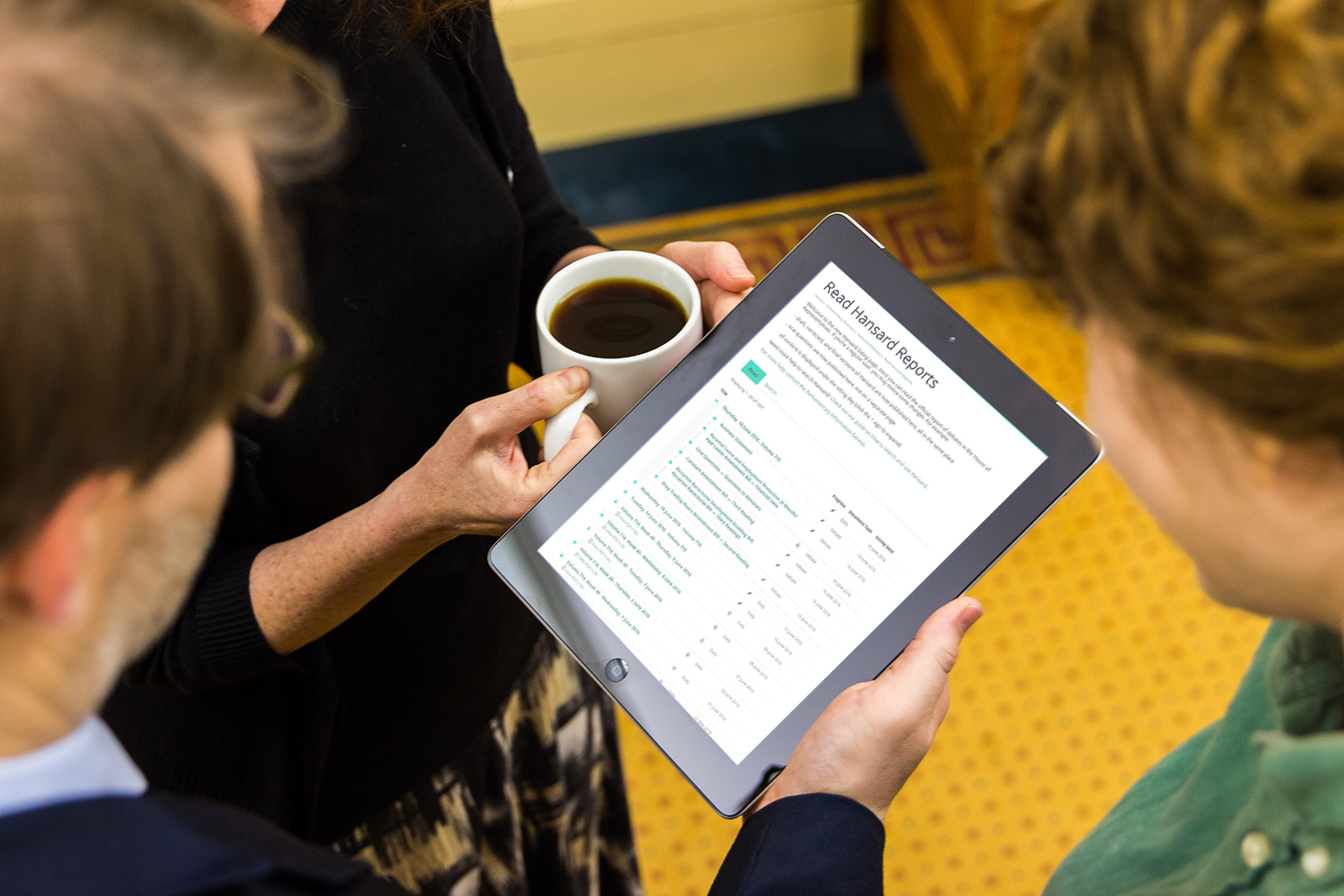
Parliament Hansard Report – Wednesday, 14 May 2025 (continued on Thursday, 15 May 2025) – Volume 784 – 001474

Source: Govt’s austerity Budget to cause real harm in communities

CAMERON LUXTON (ACT): Thank you, Mr Speaker. Tēnā koutou Ngā Hapū o Ngāti Ranginui, Ngāti Te Wai, Pirirākau, Ngāti Taka, Ngāti Rangi, Ngāti Pango, Ngāti Kahu, Ngāti Hangarau, Ngāi Tamarāwaho, Ngāi Te Ahi, Ngāti Ruahine, and all your tīpuna and all your ancestors that you represent here today and your descendants to come.

I have stood and spoken in this House on behalf of the ACT Party on a few Treaty settlement bills. In the 18 months since I’ve been elected, I’ve been privileged to speak on the Whakatōhea Claims Settlement Act—close to home—and, recently, the Te Ture mō Ō-Rākau, Te Pae o Maumahara 2025/Ō-Rākau Remembrance Act 2025, the history of which touches deeply in some of the history outlined in the Ngā Hapū o Ngāti Ranginui Claims Settlement Bill.

This is, for me, an emotional moment to speak on such a bill. I am a child of Pāpāmoa. I come from the Bay of Plenty; this is where I am from. I read about the history, and it’s history that I know quite well—as much as one who didn’t descend from it and live part of it can hope to know. These acknowledgments are long overdue. When I was a young fulla—I actually said something similar in the Ō-Rākau Act—I probably spent too much time wagging school, but I was doing some things. At one point, I drove over to the site of the Battle of Ō-Rākau by myself when I should have been at school, because I was interested in the history. But that history stemmed from a story that I have shared with some people, some who are even in this gallery today, where I went about trying to understand the history of my own area because I didn’t feel like I was learning it properly. I remember, one day I left school—probably during English class—and got my way over to Pyes Pā and went looking for a battle site that I’d read about but didn’t know anything about and wasn’t being taught about.

Actually, first I should say, growing up, my generation started learning about Gate Pā, better known as Pukehinahina. We started learning about that, and it was talked about the way the toa and the wāhine treated with their enemy—there was a declaration on the way that Māori toa were going to treat with their enemies. I found the great line: “If thy enemy hungers, feed him; if he thirsts, give him drink.” to exemplify what I’m trying to talk about here. So Pukehinahina was a known battle. It was sat there as a monument with an Anglican church on it, and we all knew it was there, but we didn’t know about Te Ranga. I went looking that day for the battle site. I had old maps that I’d found—God bless the internet for giving information out. I was trying to track the topography of the land and the rivers and the road, trying to find this place. So imagine a 15-year-old—myself—bashing through a bramble bush on the side of the road and finding this concrete plinth with old writing on it that could barely be understood. You know, it was not a well-kept mark of the site. But, as for me, I could start to see the way things happened there, and it was deeply emotional for me sitting there—I mean, remember, I was 15 years old; this was quite a shocking thing to try and discover for oneself.

I’m glad and proud that today that site has been taken care of, acknowledged, and shown to the people of Tauranga and the people that travelled that road between Rotorua and Tauranga. But I recognise also the deep pain of the battle of Te Ranga, and the way that pain has carried on through the generations probably reflects why it was not in the state that it is now. It is a good thing that it is now being looked after, but I can completely empathise with those who would rather have just looked away and not thought about that particular site.

The raupatu and confiscations are something that Tauranga was—you know, reading Victory at Gate Pā?, Buddy Mikaere’s book, you can see the constraints on the descendants. You know, moving into areas like Judea, in Tauranga—”Ju-daya”, I suppose, if anyone else is reading it—how that was marginal land, and how they no longer had access to places like Kōpūrererua and the fertile places around to harvest kai and grow. It was not a great—”not great” is an understatement; it was a horrible, horrible situation for a century, for decades and decades. But, today, this House starts to recognise, by going through the motions of passing into law, deed of settlement. That has, as we’ve heard, been a long time coming back from the splitting of the Tauranga Moana Iwi Collective Redress Bill.

Also, I note that in some of the settlement, there is land to be returned. A lot of people outside of the Bay of Plenty know about Mount Maunganui—Mauao—know about the hill that sort of sits there and is the symbol of our area and a sacred hill to you—sorry, Mr Speaker—to Ngāti Ranginui. But there’s also hills like Pūwhenua and Ōtānewainuku getting returned in this settlement in a way—still with access to the public, but returning.

Talking to my wife this morning, I asked, “What are you doing today, darling?” She said, “I’m going to go and get the bloody stoat that I’ve heard is running around in Ōtānewainuku right now.” So as I stand here speaking about the settlement and how Ōtānewainuku is being returned, my wife is currently out there trying to eradicate pests on that very piece of whenua, and I felt that was quite a poetic situation to find myself, and ourselves, in.

My children are getting raised in the area. They’re learning about where all the reefs are. They learn where the hills are and the rivers. I don’t shy back from telling them about the history of Tauranga, but I also tell them that this is their place. This is where they’re from. This is where they’ll always be able to come back to. We know the rivers, as much as I can discover them and my family can discover them. We know the waters, the hills, and the bush as much as we can. It probably was a bit too much as a young fulla trying to get out and go places that perhaps weren’t always public access, but I wanted to experience everything that our beautiful rohe, your beautiful rohe, has to show.

Tauranga was supposed to be a safe harbour. It was discovered by Tamatea-arikinui and the waka Tākitimu, eventually opening up for your people to settle. Te Awanui, Tauranga Harbour, was supposed to be—and it is—a safe harbour. Te Awanui was supposed to be a safe harbour and it was not. The Crown ships came in, opened up another front of the Waikato Wars, and that’s where this pain starts. Today, we’re not finishing the pain but we’re taking another step on that path of sorting it out. I thank you very much for listening to me ramble on. Ngā mihi. Thank you, Mr Speaker.
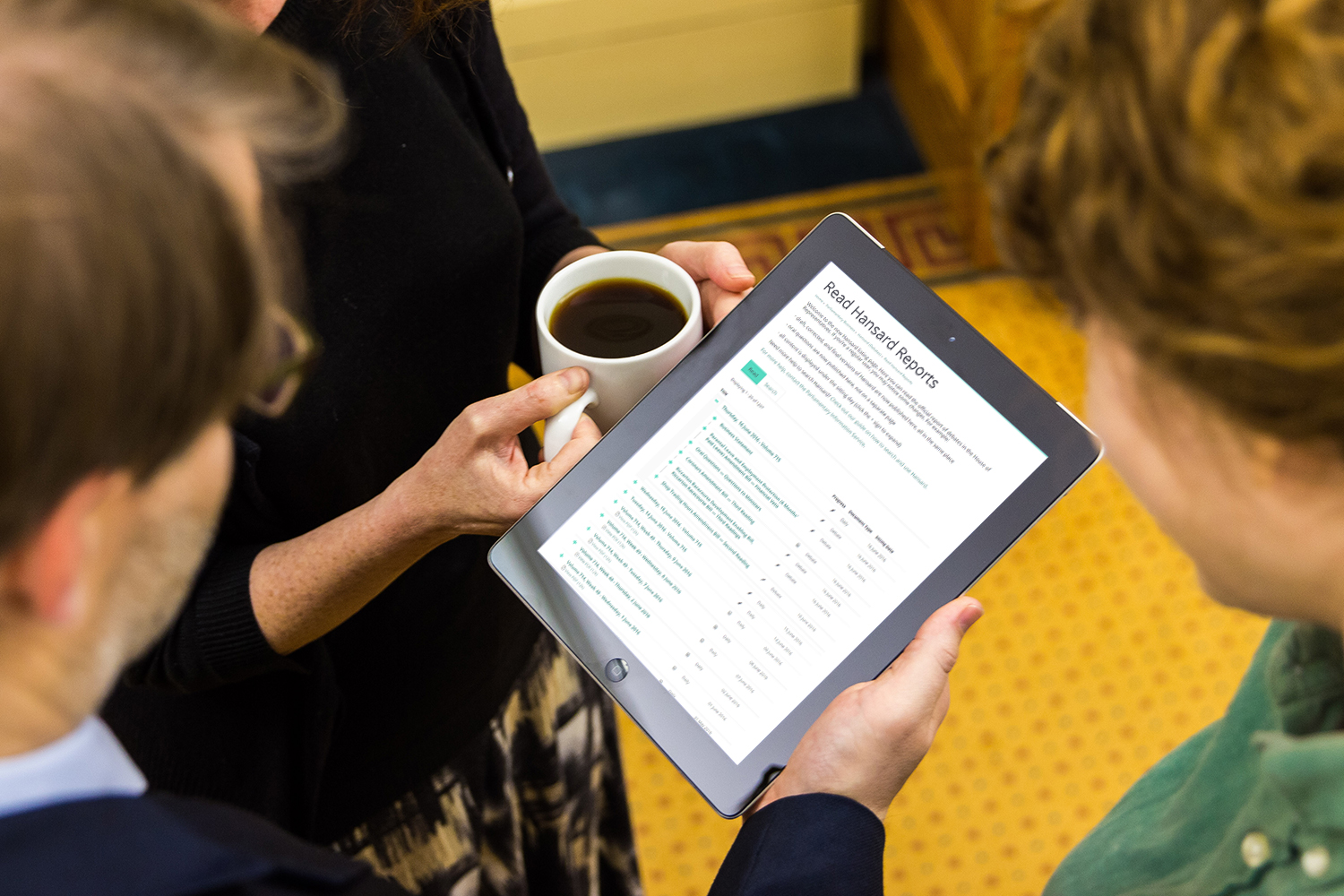
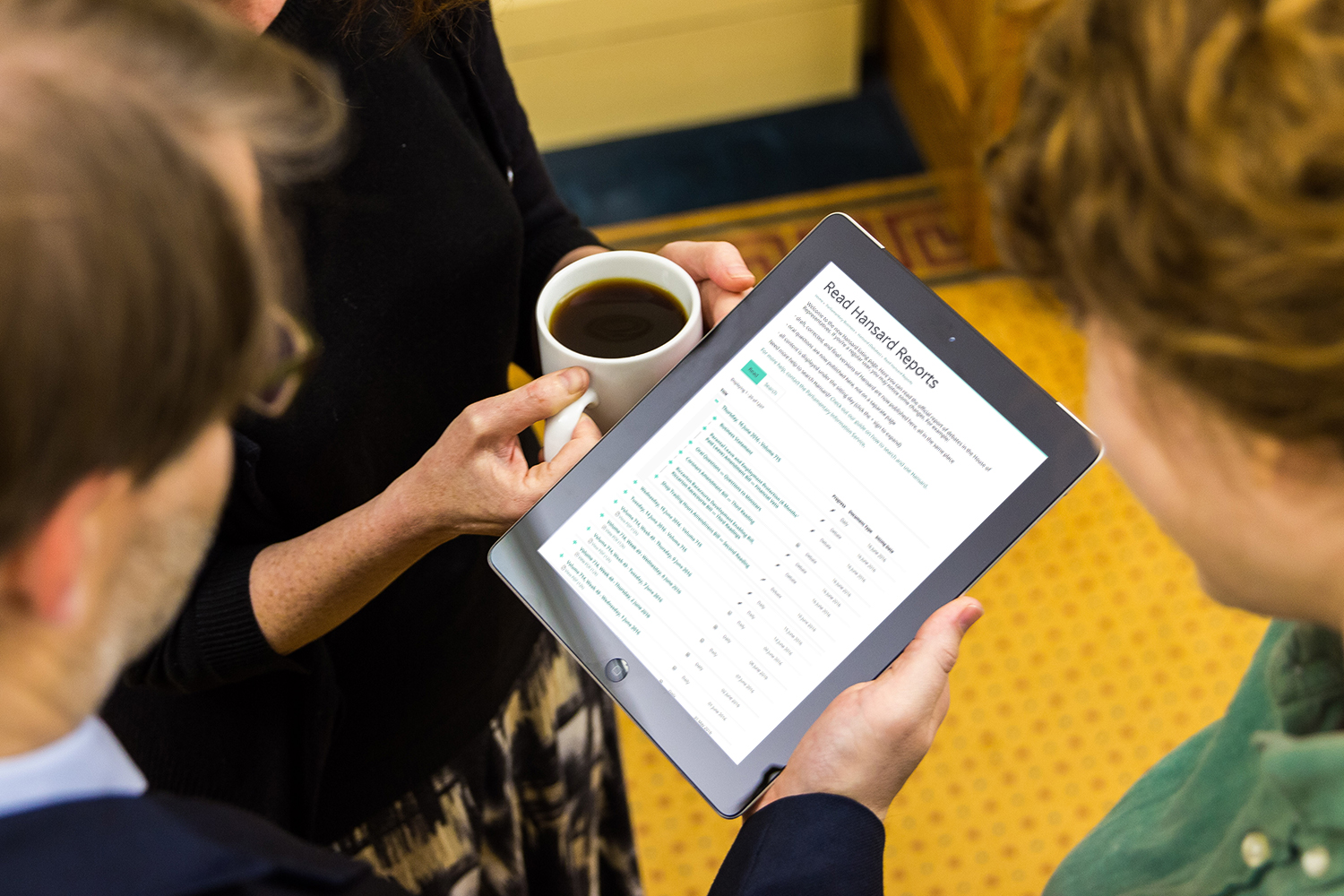
Parliament Hansard Report – Wednesday, 14 May 2025 (continued on Thursday, 15 May 2025) – Volume 784 – 001473

Source: Govt’s austerity Budget to cause real harm in communities

CAMERON LUXTON (ACT): Thank you, Mr Speaker. Tēnā koutou Ngā Hapū o Ngāti Ranginui, Ngāti Te Wai, Pirirākau, Ngāti Taka, Ngāti Rangi, Ngāti Pango, Ngāti Kahu, Ngāti Hangarau, Ngāi Tamarāwaho, Ngāi Te Ahi, Ngāti Ruahine, and all your tīpuna and all your ancestors that you represent here today and your descendants to come.

I have stood and spoken in this House on behalf of the ACT Party on a few Treaty settlement bills. In the 18 months since I’ve been elected, I’ve been privileged to speak on the Whakatōhea Claims Settlement Act—close to home—and, recently, the Te Ture mō Ō-Rākau, Te Pae o Maumahara 2025/Ō-Rākau Remembrance Act 2025, the history of which touches deeply in some of the history outlined in the Ngā Hapū o Ngāti Ranginui Claims Settlement Bill.

This is, for me, an emotional moment to speak on such a bill. I am a child of Pāpāmoa. I come from the Bay of Plenty; this is where I am from. I read about the history, and it’s history that I know quite well—as much as one who didn’t descend from it and live part of it can hope to know. These acknowledgments are long overdue. When I was a young fulla—I actually said something similar in the Ō-Rākau Act—I probably spent too much time wagging school, but I was doing some things. At one point, I drove over to the site of the Battle of Ō-Rākau by myself when I should have been at school, because I was interested in the history. But that history stemmed from a story that I have shared with some people, some who are even in this gallery today, where I went about trying to understand the history of my own area because I didn’t feel like I was learning it properly. I remember, one day I left school—probably during English class—and got my way over to Pyes Pā and went looking for a battle site that I’d read about but didn’t know anything about and wasn’t being taught about.

Actually, first I should say, growing up, my generation started learning about Gate Pā, better known as Pukehinahina. We started learning about that, and it was talked about the way the toa and the wāhine treated with their enemy—there was a declaration on the way that Māori toa were going to treat with their enemies. I found the great line: “If thy enemy hungers, feed him; if he thirsts, give him drink.” to exemplify what I’m trying to talk about here. So Pukehinahina was a known battle. It was sat there as a monument with an Anglican church on it, and we all knew it was there, but we didn’t know about Te Ranga. I went looking that day for the battle site. I had old maps that I’d found—God bless the internet for giving information out. I was trying to track the topography of the land and the rivers and the road, trying to find this place. So imagine a 15-year-old—myself—bashing through a bramble bush on the side of the road and finding this concrete plinth with old writing on it that could barely be understood. You know, it was not a well-kept mark of the site. But, as for me, I could start to see the way things happened there, and it was deeply emotional for me sitting there—I mean, remember, I was 15 years old; this was quite a shocking thing to try and discover for oneself.

I’m glad and proud that today that site has been taken care of, acknowledged, and shown to the people of Tauranga and the people that travelled that road between Rotorua and Tauranga. But I recognise also the deep pain of the battle of Te Ranga, and the way that pain has carried on through the generations probably reflects why it was not in the state that it is now. It is a good thing that it is now being looked after, but I can completely empathise with those who would rather have just looked away and not thought about that particular site.

The raupatu and confiscations are something that Tauranga was—you know, reading Victory at Gate Pā?, Buddy Mikaere’s book, you can see the constraints on the descendants. You know, moving into areas like Judea, in Tauranga—”Ju-daya”, I suppose, if anyone else is reading it—how that was marginal land, and how they no longer had access to places like Kōpūrererua and the fertile places around to harvest kai and grow. It was not a great—”not great” is an understatement; it was a horrible, horrible situation for a century, for decades and decades. But, today, this House starts to recognise, by going through the motions of passing into law, deed of settlement. That has, as we’ve heard, been a long time coming back from the splitting of the Tauranga Moana Iwi Collective Redress Bill.

Also, I note that in some of the settlement, there is land to be returned. A lot of people outside of the Bay of Plenty know about Mount Maunganui—Mauao—know about the hill that sort of sits there and is the symbol of our area and a sacred hill to you—sorry, Mr Speaker—to Ngāti Ranginui. But there’s also hills like Pūwhenua and Ōtānewainuku getting returned in this settlement in a way—still with access to the public, but returning.

Talking to my wife this morning, I asked, “What are you doing today, darling?” She said, “I’m going to go and get the bloody stoat that I’ve heard is running around in Ōtānewainuku right now.” So as I stand here speaking about the settlement and how Ōtānewainuku is being returned, my wife is currently out there trying to eradicate pests on that very piece of whenua, and I felt that was quite a poetic situation to find myself, and ourselves, in.

My children are getting raised in the area. They’re learning about where all the reefs are. They learn where the hills are and the rivers. I don’t shy back from telling them about the history of Tauranga, but I also tell them that this is their place. This is where they’re from. This is where they’ll always be able to come back to. We know the rivers, as much as I can discover them and my family can discover them. We know the waters, the hills, and the bush as much as we can. It probably was a bit too much as a young fulla trying to get out and go places that perhaps weren’t always public access, but I wanted to experience everything that our beautiful rohe, your beautiful rohe, has to show.

Tauranga was supposed to be a safe harbour. It was discovered by Tamatea-arikinui and the waka Tākitimu, eventually opening up for your people to settle. Te Awanui, Tauranga Harbour, was supposed to be—and it is—a safe harbour. Te Awanui was supposed to be a safe harbour and it was not. The Crown ships came in, opened up another front of the Waikato Wars, and that’s where this pain starts. Today, we’re not finishing the pain but we’re taking another step on that path of sorting it out. I thank you very much for listening to me ramble on. Ngā mihi. Thank you, Mr Speaker.
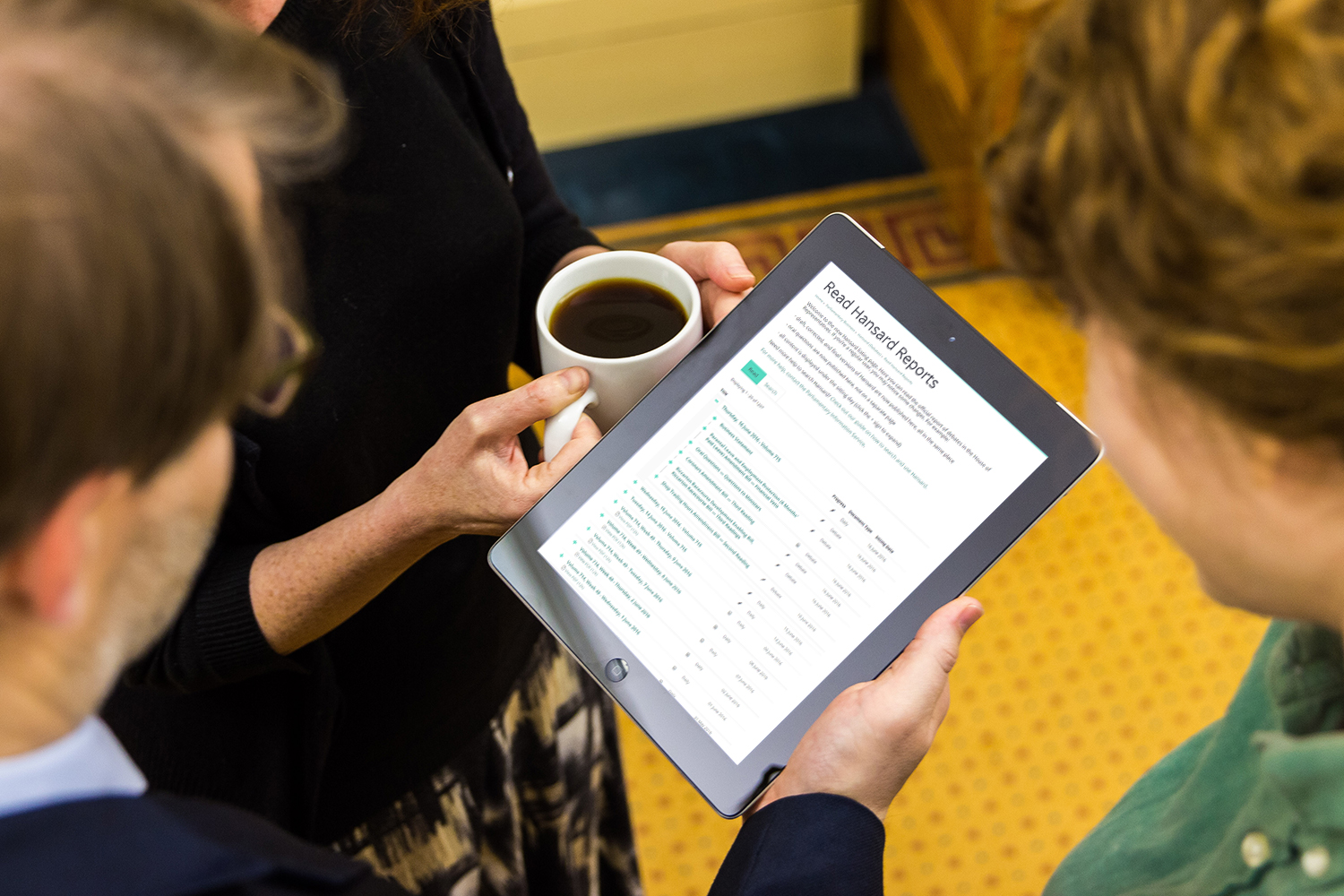
Parliament Hansard Report – Business of the House – 001473

Source: Govt’s austerity Budget to cause real harm in communities

WEDNESDAY, 14 MAY 2025

(continued on Thursday, 15 May 2025)

BUSINESS OF THE HOUSE

DEPUTY SPEAKER: The House is resumed for the extended sitting—Government orders of the day, continued. Members, in accordance with the determination of the Business Committee, the House will debate the first reading of the Ngāti Hāua Claims Settlement Bill, to be followed immediately by the remaining stages of Ngā Hapū o Ngāti Ranginui Claims Settlement Bill.

Parliament Hansard Report – Business of the House – 001472

Source: Govt’s austerity Budget to cause real harm in communities

WEDNESDAY, 14 MAY 2025

(continued on Thursday, 15 May 2025)

BUSINESS OF THE HOUSE

DEPUTY SPEAKER: The House is resumed for the extended sitting—Government orders of the day, continued. Members, in accordance with the determination of the Business Committee, the House will debate the first reading of the Ngāti Hāua Claims Settlement Bill, to be followed immediately by the remaining stages of Ngā Hapū o Ngāti Ranginui Claims Settlement Bill.

Parliament Hansard Report – Ngāti Hāua Claims Settlement Bill — First Reading – 001472

Source: Govt’s austerity Budget to cause real harm in communities

NGĀTI HĀUA CLAIMS SETTLEMENT BILL

First Reading

Hon PAUL GOLDSMITH (Minister for Treaty of Waitangi Negotiations): I seek leave to present a legislative statement on the Ngāti Hāua Claims Settlement Bill.

DEPUTY SPEAKER: Leave has been sought for that course of action. Is there any objection? There is none and leave has been given. That legislative statement is published under the authority of the House and can be found on the Parliament website.

Hon PAUL GOLDSMITH: I move, That the Ngāti Hāua Claims Settlement Bill be now read a first time. I nominate the Māori Affairs Committee to consider the bill.

[Authorised reo Māori text to be inserted by the Hansard Office.]

[Authorised translation to be inserted by the Hansard Office.]

In March I was welcomed on to the Ngapuwaiwaha Marae in Taumarunuito sign Te Pua o Te Riri Kore, the Ngāti Hāua deed of settlement. It was a great occasion, and I’ll never forget it. The sun was shining in Taumarunui and I received a warm greeting. I want to thank the members of Ngāti Hāua who have gathered to watch the bill being read for the first time, both here in the gallery and online across the motu. You have shown great strength and determination in coming to this point.

It was a special occasion. I did make the mistake of deciding to drive myself from Auckland to Taumarunui and I got a ticket on the way back, but that’s by the by. I’ll set that aside. Today marks a significant milestone for in the shared history of Ngāti Hāua and the Crown, and it’s a testament to the commitment of everybody involved that the Ngāti Hāua settlement journey has been a long one and it’s important today to remember and pay tribute to leaders and the many whānau members who passed on before they could see the fruits of their efforts.

One significant leader was the late chair of the Ngāti Hāua Iwi Trust, Eugene Taupene who passed away in 2020 in the midst of the COVID-19 lockdowns. I personally didn’t have the honour of meeting Eugene but his rich legacy has guided these negotiations. I want to acknowledge and thank the Ngāti Hāua negotiation team for their collective effort—the chair Graham Bell and his team. Your wisdom, patience, and determination were critical in achieving this settlement, which truly promotes reconciliation.

On the Crown’s side I acknowledge the work of my predecessors, the Hon Christopher Finlayson and the Hon Andrew Little. I particularly want to acknowledge the work of the Chief Crown Negotiator, Dr John Wood. I want to thank my ministerial colleagues, Crown agencies, local authorities, and members of Parliament who are here today to mark this occasion.

Today’s speaking marks another milestone for Ngāti Hāua in their settlement journey. Negotiatons started in 2017 but Ngāti Hāua have been looking for justice for generations. As Ngāti Hāua negotiations manager Aaron Rice-Edwards said, “We’ve been an iwi that has been pushed in the shadows but we’ve always been a tough fighting iwi. We never give up. It’s taken us over 160 years to come to this point, to realise that vision of riri kore (no more fighting.)”

The settlement is grounded in the Crown’s acknowledgments and apology for its many breaches of Te Tiriti. I formally delivered the Crown apology to Ngāti Hāua at the signing of the deed of settlement in March. During the ceremony we all felt the enduring hurt of Ngāti Hāua. The day was a poignant reminder of the importance of the Crown recognising and acknowledging its wrongdoings. At the ceremony I also spoke of the statutory pardons for Ngāti Hāua tīpuna and Mātene Ruta Te Whareaitu and Te Rangiātea, which are facilitated through the Ngāti Hāua settlement. Alongside the deed, this bill records the Crown’s treatment of Te Rangiātea and Mātene and the resulting intergenerational stigma and mamae experienced by their uri and by Ngāti Hāua. This bill will enact long-overdue statutory pardons for these Ngāti Hāua tīpuna who were treated so harshly by the Crown.

In recognising the harm caused, we’ve worked with Ngāti HHāua to build a redress package that addresses these grievances, provide for the return of 64 sites of deep cultural significance to be transferred as cultural redress, including sites that will be jointly vested with some other groups, a cultural revitalisation fund, recognition of the innate connection of Ngāti Hāua to their rohe, and their obligations as tangata tiaki, through a range of mechanisms such as Te Pou Taiao a joint management committee, relationship redress with many Crown agencies, and financial and commercial redress of $19 million for the right to purchase a number of commercial properties.

The deed of settlement also recognises the importance of Te Pou Tikanga to Ngāti Hāua, the innate values that underpin Ngāti Hāua’s aspirations for Treaty settlement and the vision for a restored relationship with the Crown.

It’s my hope that this settlement will mark the beginning of a strengthened relationship between Ngāti Hāua and the Crown, based on mutual trust, cooperation, and partnership.

Madam Speaker, friends: no settlement can fully compensate for the loss and prejudice that Ngāti Hāua people suffered. Through this settlement the Crown hopes to retore its honour and alleviate Ngāti Hāua’s deep sense of grievance. Today is about looking forward to the future while acknowledging the long and difficult journey it’s taken to get there.

I believe that the settlement lays the cultural and economic foundations for Ngāti Hāua to reestablish their connection with their rohe, strengthen their identity, and provide for a stronger cultural, social, and economic future for generations to come.

I think there are huge opportunities in the decades to come for Ngāti Hāua, particularly the new generation coming through, to thrive and prosper and build on the opportunity that is provided here, and to restore particularly economic prospects. I acknowledge that this is the first reading of three to support the passage of this legislation through the House, and my preference is that the bill should proceed without delay to the Māori Affairs Committee so that we can progress this settlement as soon as we can. I commend this bill to the House. Tēnā koutou, tēnā koutou, tēnā koutou katoa.

DEPUTY SPEAKER: The question is that the motion be agreed to.

Youth voice added to Council Committee

Source: PISA results continue to show more to be done for equity in education

Two young people have been appointed as youth representatives on Canterbury Regional Council’s Strategy and Policy Committee.

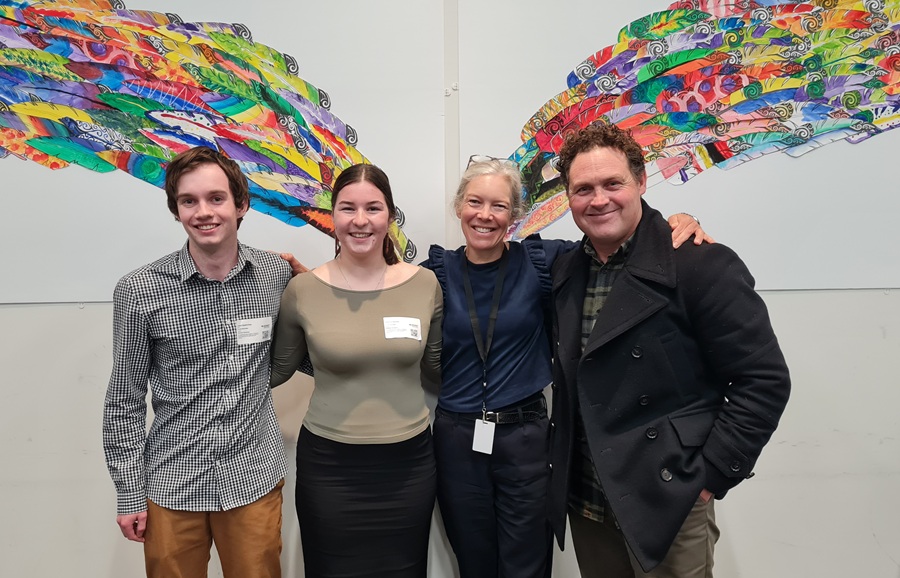
At the 14 May Committee meeting, Jolie Sarginson and Liam Speechlay were appointed after being shortlisted by the Youth Rōpū.   

The Youth Rōpū is a group of people aged 14-24 from across the region who are enthusiastic about the environment, civics and empowering young people. The rōpū advocates for and supports the inclusion of a youth voice in Environment Canterbury’s decisions and work.   

Jolie and Liam will sit on the Committee for two years and while they won’t have voting rights, they will be able to provide a youth perspective on issues discussed by the Committee.  

Jolie said her three passions are youth advocacy, te taiao (the natural world), and te ao Māori (Māori culture and values).  

“Our aim as youth representatives is to bring an intergenerational perspective to the table,” Jolie said.  

Liam said he brings a diverse range of youth voices to the table – urban, climate change and rural.  

“I’m very excited for the learning this experience will provide me and the learnings you will be able to take from myself and Jolie,” Liam said.  

Canterbury Regional Council Chair Craig Pauling said youth representation was an important voice to have at the table and welcomed both Jolie and Liam to the Committee.   

“We’ve had youth representation on a few of our committees over the last three or four years and I’m really proud to be here to welcome you both to the Strategy and Policy Committee today.”  

“I’m looking forward to your insights and the contributions you will bring to our work,” Chair Pauling said.    

Strategy and Policy Committee Chair Councillor Vicky Southworth also welcomed the pair to the Committee.  

“I am excited to have both Liam and Jolie joining us for the next two years, they will bring important perspectives to our discussions and help influence some of our decision making.”  

“It’s important to have them join us, as they represent young people from across Canterbury,” Cr Southworth said. 

Jolie Sarginson  

Jolie has completed a bachelor’s degree in Social Environmental Sustainability, majoring in Indigenous Knowledge and Sustainable Partnerships, with a minor in te reo Māori.  

She has been part of the Youth Rōpū for three years and brings a strong voice, a grounded cultural perspective, and a genuine desire to help our communities.  

Liam Speechlay  

Liam is a law student at the University of Canterbury of Ngāpuhi and Ngāti Ruanui descent. He has a passion for learning Ngai Tahu’s history within Waitaha, and for tikanga and matauranga Māori.  

He has been involved with EnviroPAST, Lincoln University, and the Youth Advisory Council at Te Whatu Ora Waitaha. 

210,000 Māori Silenced: Committee Delivers Harshest Punishment in Parliament History

Source:

Today the Privileges Committee handed down a severe punishment. Te Pāti Māori Co-leaders Rawiri Waititi and Debbie Ngarewa-Packer have been suspended for 21 days, and MP for Hauraki-Waikato Hana-Rawhiti Maipi-Clarke has been suspended for 7 days.

This punishment is unprecedented; these are the three longest suspensions in the history of Parliament in Aotearoa.

This decision will not only silence three MPs; it will silence a quarter of te iwi Māori by taking their representatives out of this House.

Te Pāti Māori MP for Te Tai Tokerau and member of the Privileges Committee Mariameno Kapa-Kingi said that “the process was grossly unjust, unfair, and unwarranted, resulting in an extreme sanction. This was not about process, this became personal.”

They can suspend our MPs, but they can’t suspend our movement.